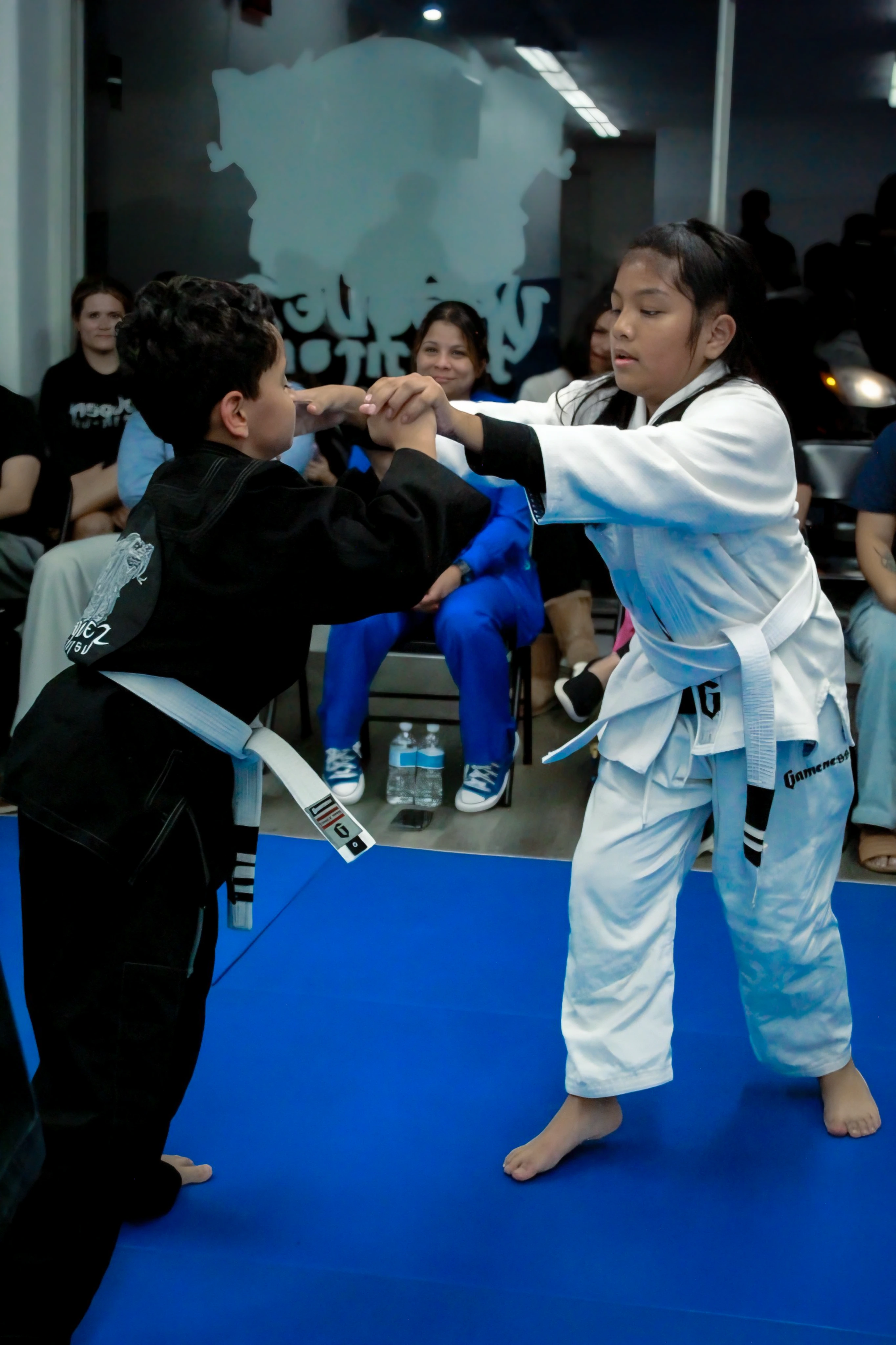
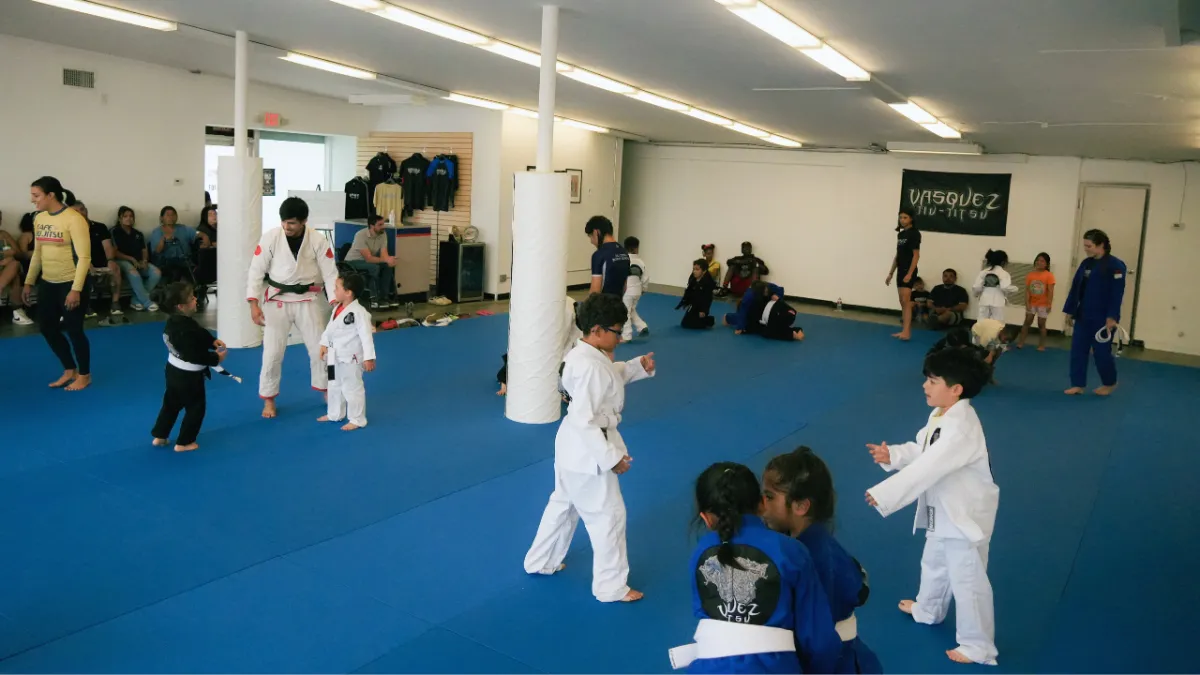
Brazilian Jiu-Jitsu (BJJ) has long been praised for its physical, mental, and social benefits. But one teaching style is proving especially powerful for students with ADHD or on the autism spectrum: the constraint-led approach (CLA). At Vasquez Jiu-Jitsu, we've embraced this method to create classes that are more engaging, more effective, and better suited to diverse learning needs.
What Is the Constraint-Led Approach?
In traditional martial arts training, students learn by watching an instructor demonstrate a move and then repeating it over and over. The constraint-led approach flips that model. Instead of memorizing techniques, students are placed in carefully designed games, scenarios, or drills with specific constraints — rules or goals that focus attention on one key skill.
For example:
- Starting from a bad position and escaping within a time limit.
- Limiting which grips you can use so you're forced to try new options.
- Setting a goal like "pass the guard without using your hands."
These constraints act like bumpers on a bowling lane — guiding students toward effective movement and decision-making without a long lecture.
Why It Helps Students with ADHD
Students with ADHD often thrive on movement, novelty, and quick feedback. The constraint-led approach provides:
- Active learning — students don't sit still while listening; they learn by doing, channeling energy into purposeful movement.
- Short bursts of focus — each scenario has a clear, time-limited objective, making it easier to concentrate.
- Immediate feedback — success or failure is experienced instantly, which keeps motivation high.
- Built-in variety — constraints change regularly, keeping training fresh and reducing boredom.
Over time, these features help ADHD students improve attention span, self-regulation, and problem-solving skills both on and off the mats.
Why It Helps Students on the Autism Spectrum
Many autistic students prefer clear structure, predictable routines, and concrete rules. The constraint-led approach offers exactly that:
- Simple, defined tasks — each drill has clear boundaries, so students know what to expect.
- Predictable structure within play — while the scenarios change, the overall class format remains consistent, reducing anxiety.
- Safe social practice — partner-based games allow communication and cooperation in a structured, low-stakes environment.
- Sensory-friendly exploration — grappling already provides deep pressure and proprioceptive feedback; constraints help make that experience feel more organized and manageable.
This approach supports not just skill development, but also confidence, social skills, and self-efficacy.
Beyond Technique
The constraint-led approach isn't just about teaching moves — it's about teaching thinking. Students learn to:
- Solve problems under pressure
- Adapt when situations change
- Make decisions faster
- Stay calm and regulated in dynamic environments
For neurodivergent students, these are essential life skills that transfer far beyond Jiu-Jitsu.
Final Thoughts
At Vasquez Jiu-Jitsu, the constraint-led approach has transformed how we teach. For students with ADHD or on the autism spectrum, it turns training into an engaging, confidence-building experience. Instead of rote memorization, students discover techniques in a way that's active, playful, and deeply effective.
If you're curious about how this approach could benefit you or your child, we'd love to invite you to try a class. Our coaches are trained to guide each student at their own pace.
📞 Call us at (817) 522-8707
📧 Email vasquezjiujitsu@gmail.com
📸 Instagram: @Vasquez__BJJ